Scentsory
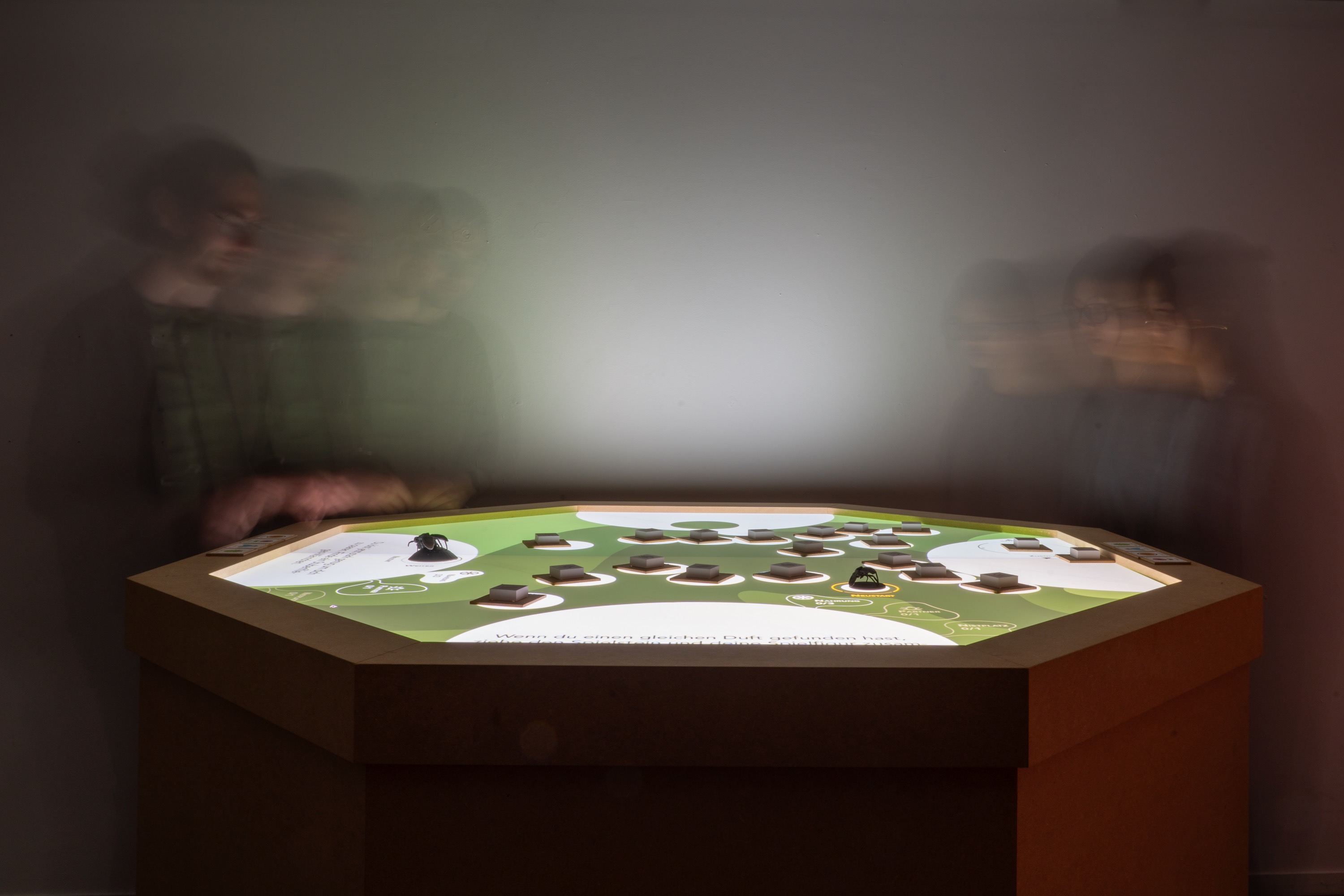
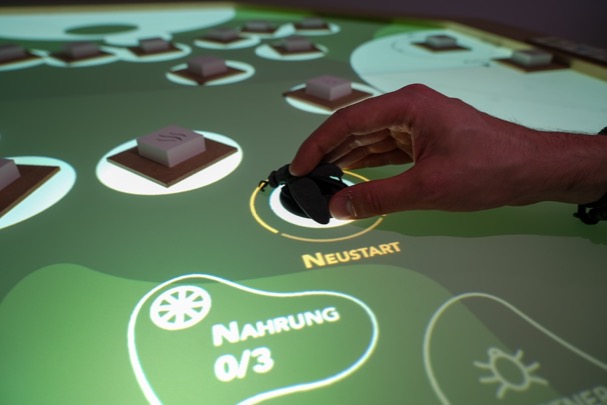
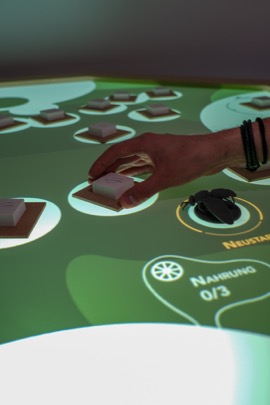
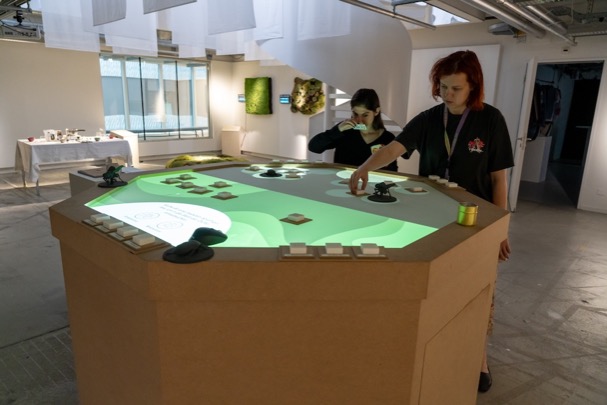
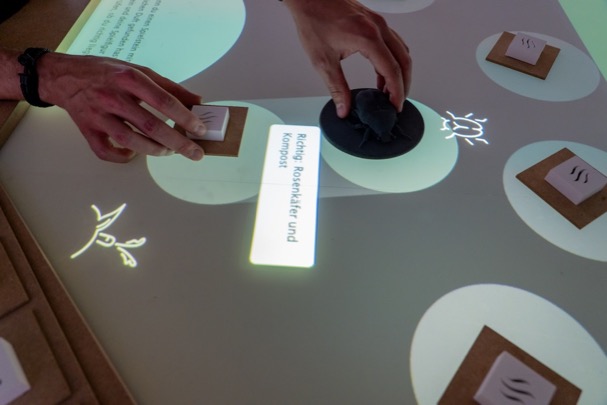
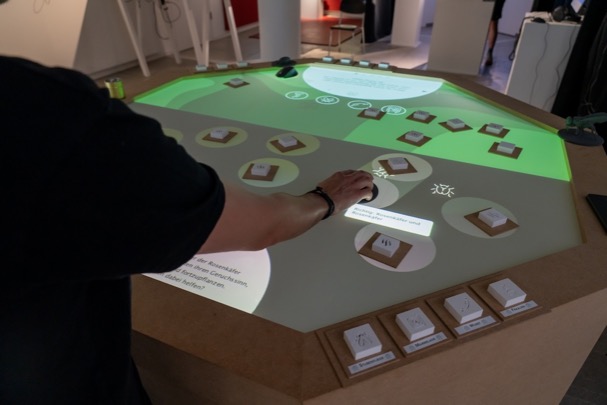
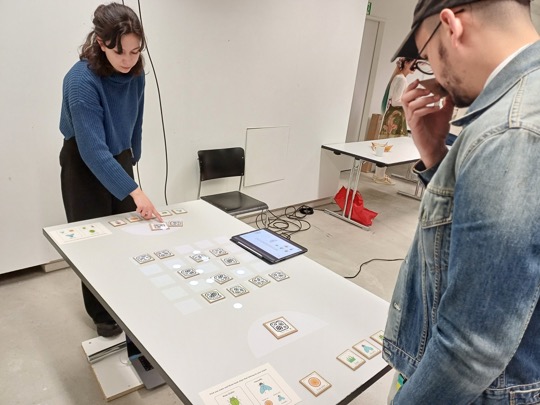
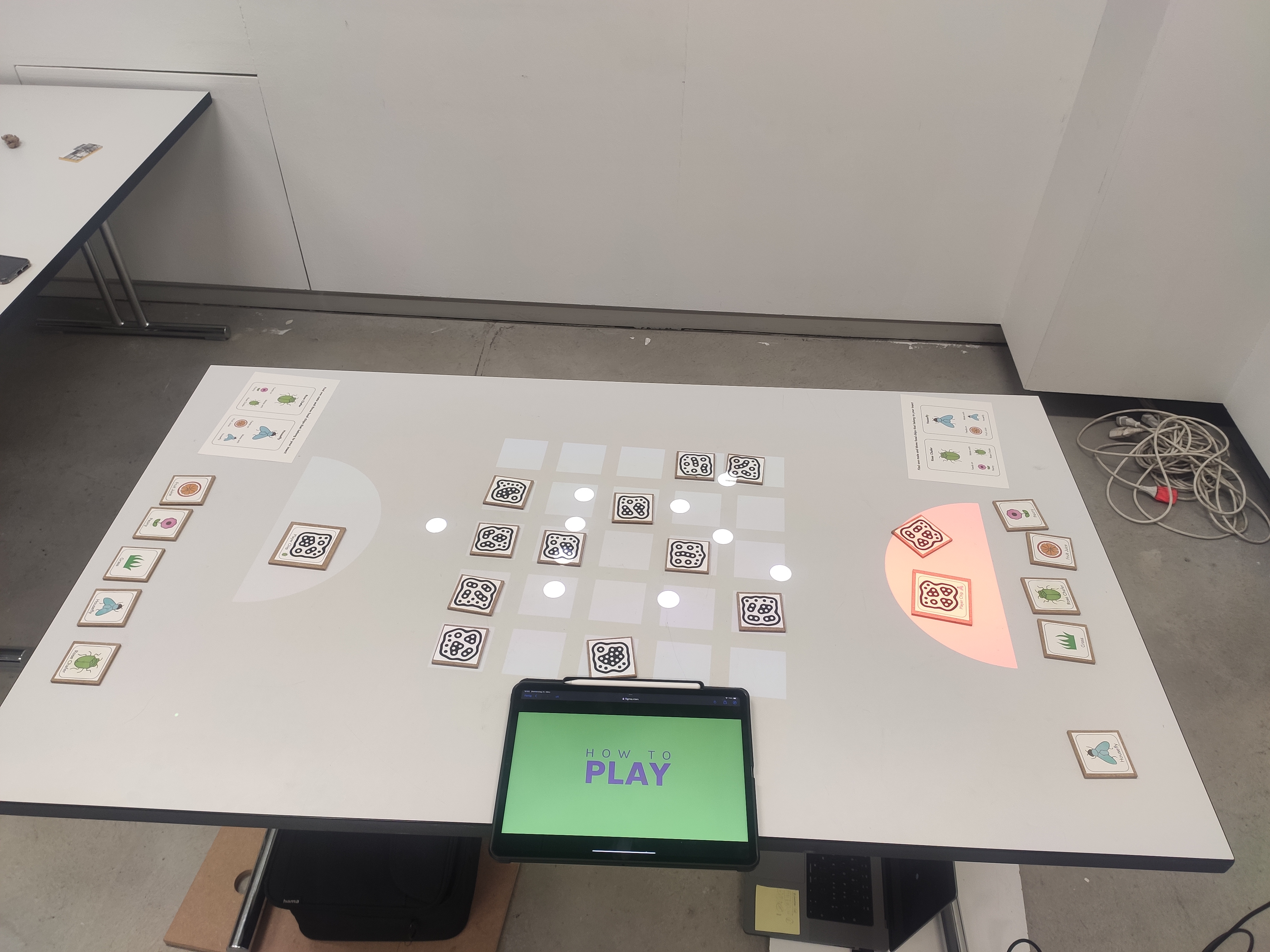
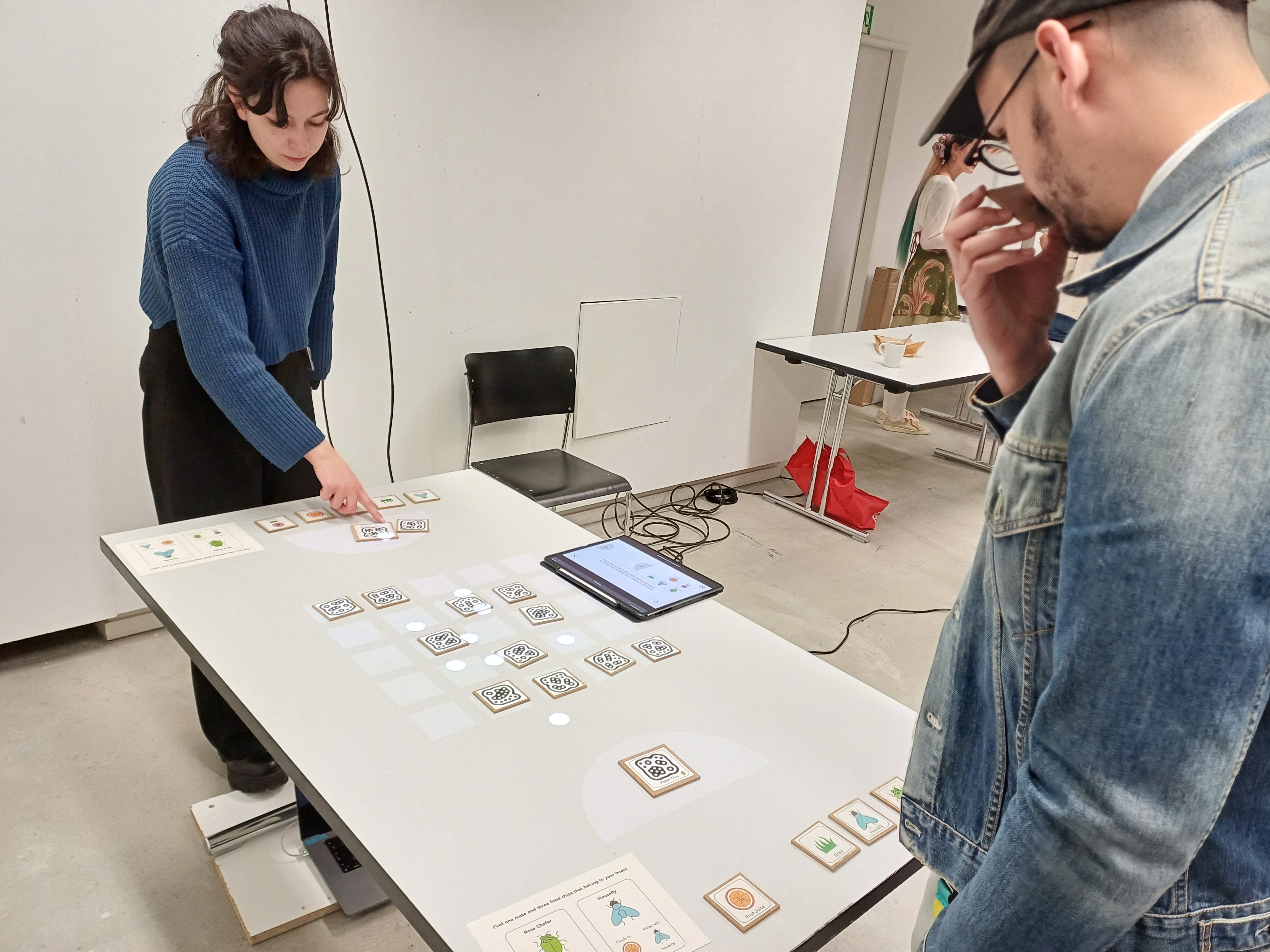
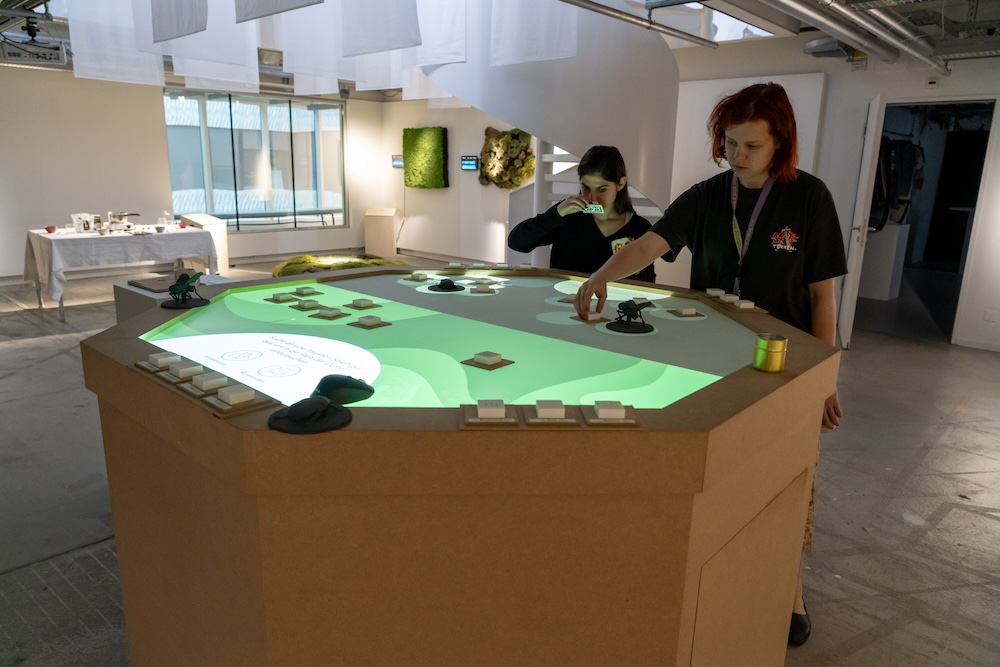
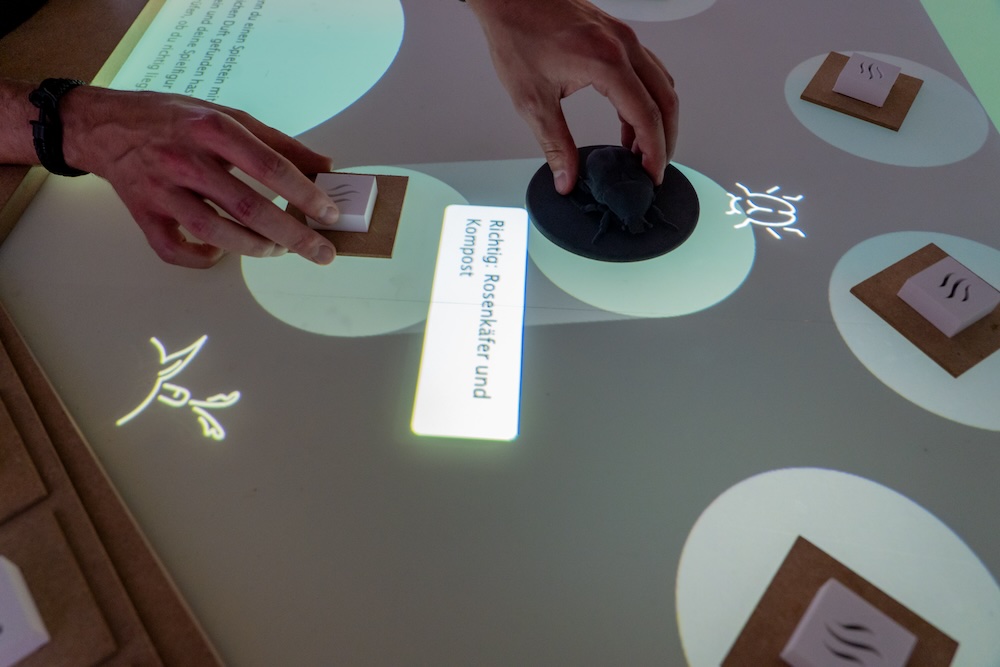
How might museums leverage digital transformation to create engaging, sensory-rich experiences that attract diverse audiences? SENTSORY addresses this challenge through an interactive game table that uses scents to immerse visitors in the world of insect navigation. By combining sensory stimulation with collaborative play, the installation captures attention and fosters social interaction. Using sencted chips in a memory like game, participants can delve into stories that reveal how insects rely on their sense of smell to navigate and interact with their environment, creating an engaging and memorable learning experience.
Digital Transformation
In recent years, museums have faced the challenge of digital transformation, adapting to technological advancements and evolving audience expectations. Museums aim to attract visitors across demographics and offer them engaging, immersive experiences that extend beyond passive viewing. With vast information now readily accessible online, museums must distinguish themselves by creating unique, sensory-rich experiences that the web cannot provide. To guide our project, we conducted user interviews to understand what motivates people to visit museums in an age of digital convenience.
Sensory and Multi-User Interaction
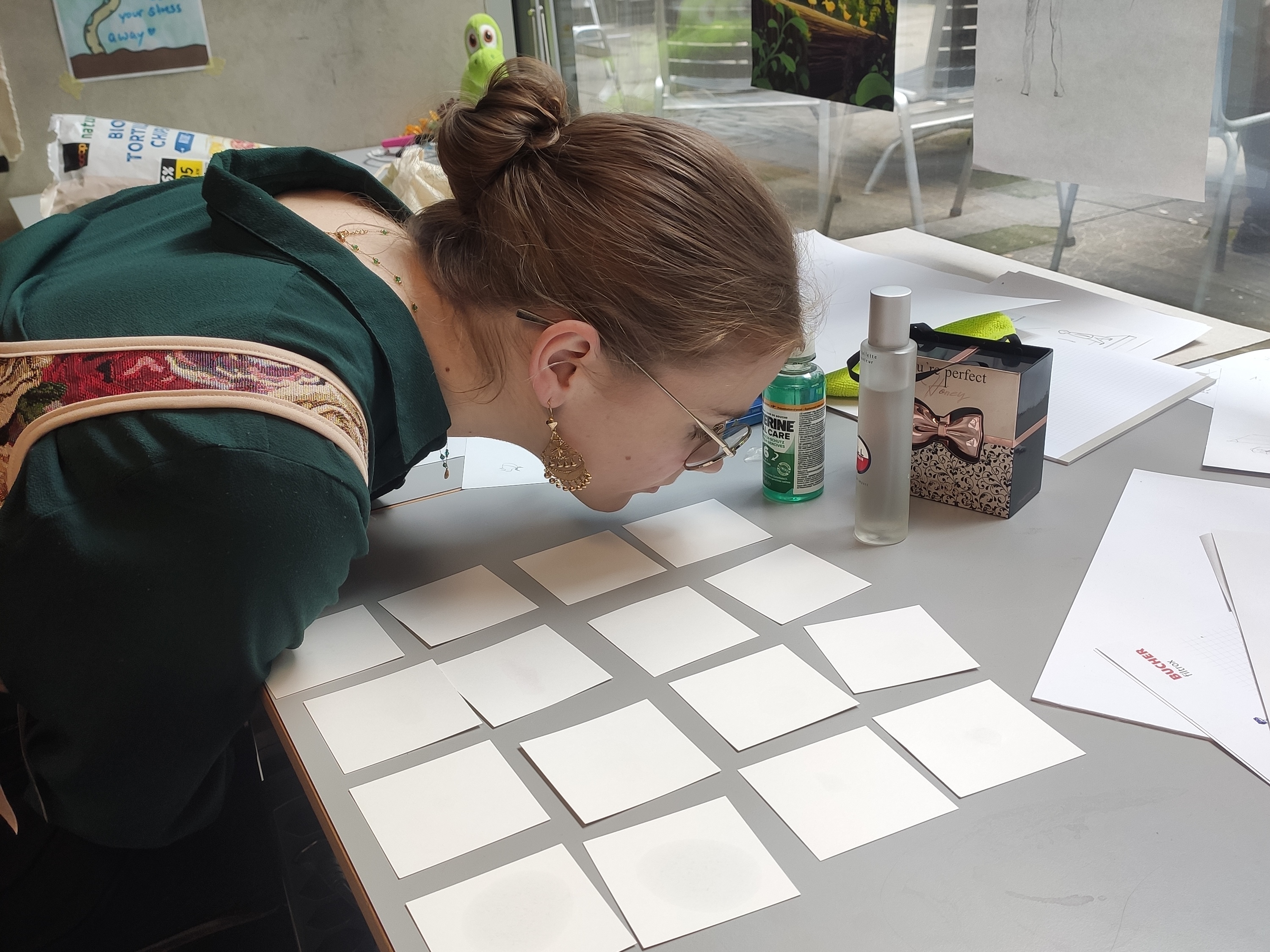
Our user research and interviews highlighted the power of sensory experiences and multi-user interactions for learning and engagement in museum settings. We discovered that sensory engagement, especially smell, could create lasting memories and deeper associations with content. This insight led us to develop an interactive memory game based on scent. The game invites users into the olfactory world of insects, illustrating how scent plays a crucial role in their communication, survival, and lifecycle. By engaging multiple users simultaneously, the game fosters social interaction, encouraging visitors to collaborate, discuss, and explore together.
Game Flow and Storytelling
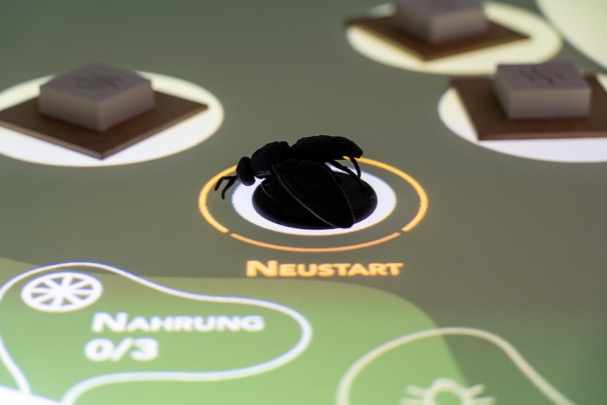
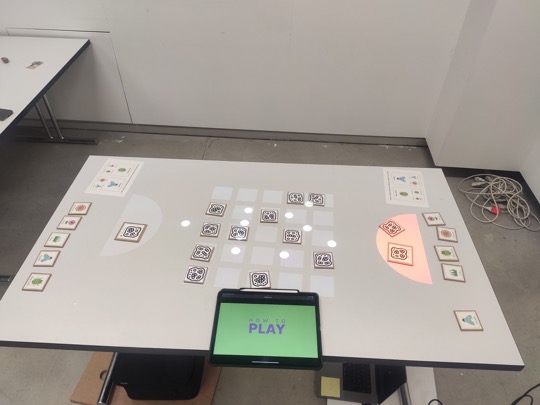
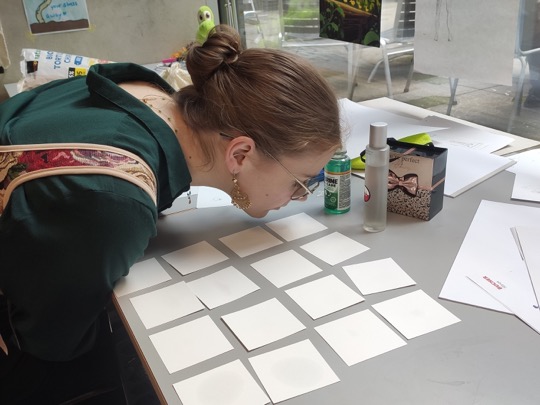
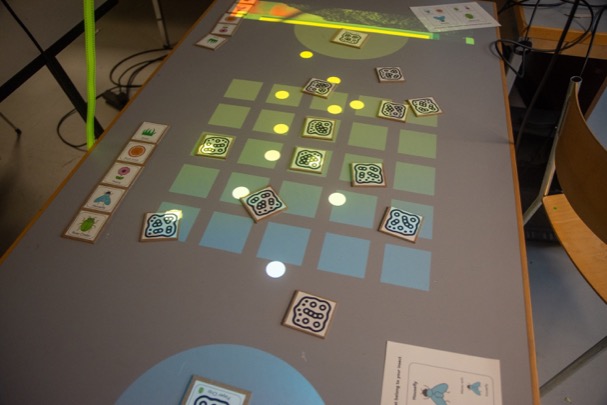
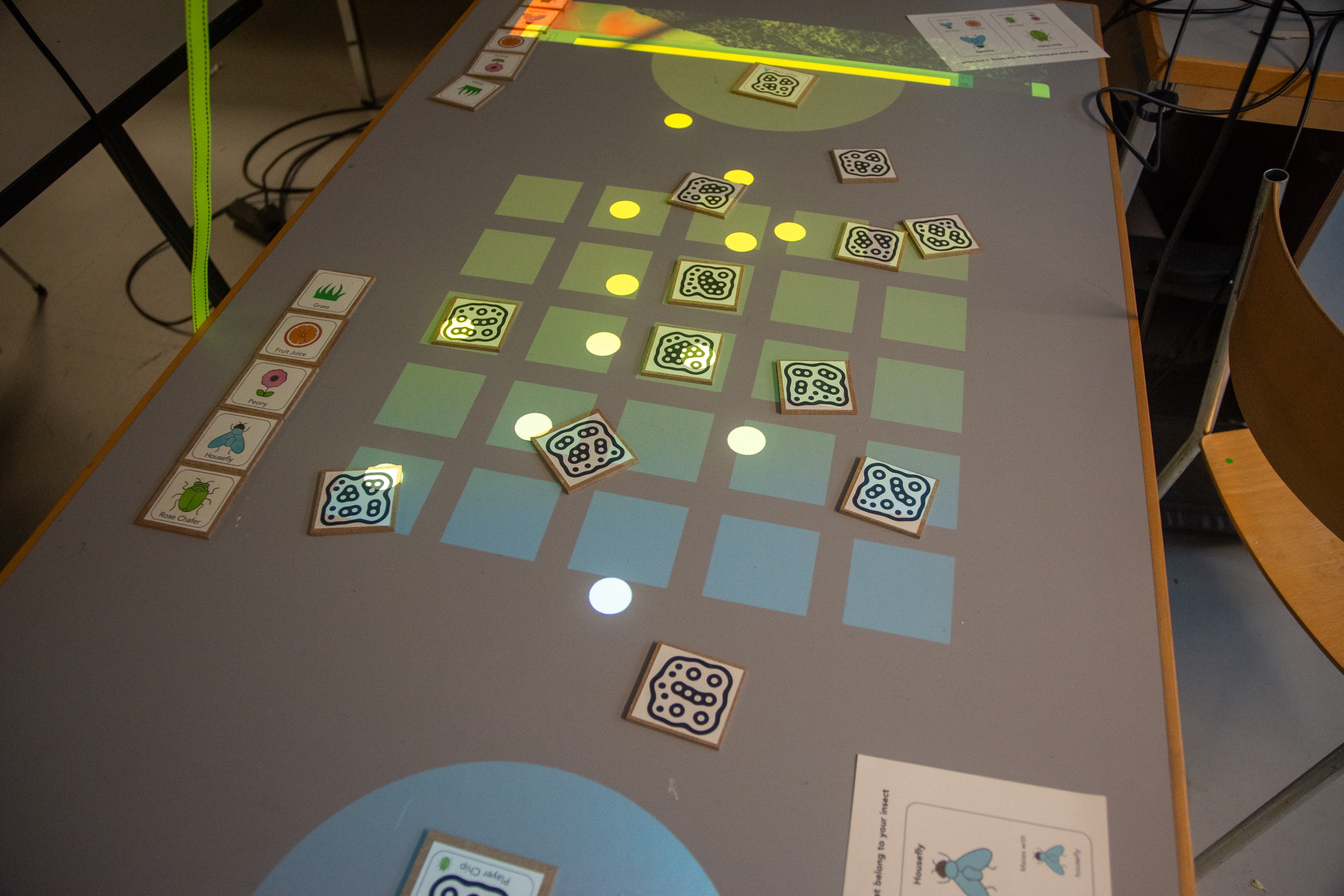
To create a compelling and intuitive user experience, we developed several prototypes, each refined through iterative user testing. We started with a paper prototype to explore scent selection and the structure of the game, then transitioned to a digital prototype using a projector. This digital component allowed us to incorporate storytelling, transforming factual content into an immersive narrative. Breaking the educational material into story-driven segments made learning more approachable and engaging, with a flow that guides users through the insect world one step at a time. The game thus becomes both an educational tool and an exploratory journey.
Key Insights and Project Management
At the bachelor exhibition, we presented our project to a diverse audience, observing their interactions and gathering valuable feedback. The scent-based approach successfully encouraged social interaction, with visitors often collaborating to find matching scents and complete the game. The tactile, sensory nature of the game proved to be highly engaging, showing promise for similar educational applications in museum settings.
Additionally, this project underscored the importance of effective project management for complex, multi-faceted projects. Tools like mind mapping, weekly documentation, and consistent testing helped us maintain clarity and momentum throughout development. Moving forward, we are eager to see how museums continue to embrace digital transformation, incorporating sensory and interactive experiences to connect with audiences in new and meaningful ways.
Explore More Projects
← Previous Project
Schulthess Dashboard
Next Project →